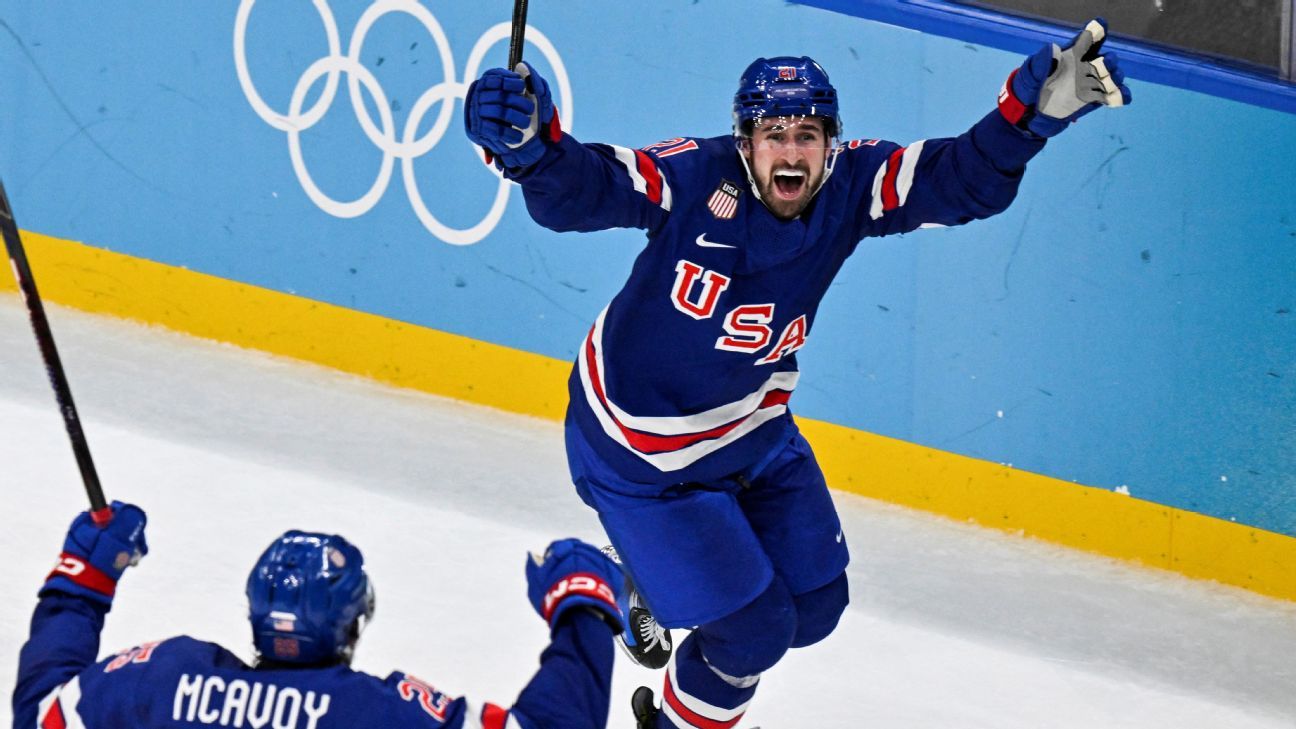
Olympic Ice Hockey: From Amateur Dream to NHL Professional Era
Ice hockey has carved out a storied legacy at the Olympic Games, a journey that began over a century ago. First introduced as a men's tournament at the 1920 Summer Olympics in Antwerp, Belgium, the exhilarating sport quickly found its permanent home on the Winter Olympic program starting in 1924 in Chamonix, France. Decades later, the women's tournament proudly debuted at the 1998 Winter Olympics, marking another significant milestone. This evolution from an amateur-only competition to a stage graced by the world's elite NHL professionals encapsulates the sport's dynamic path and its enduring appeal on the global stage. Understanding the rich history and the structural changes, particularly concerning player eligibility, is key to appreciating the current landscape of Ice Hockey At The Olympic Games Table and its thrilling future.
The Evolution of Eligibility: From Purity to Professionalism
For many years, the Olympic Games upheld a strict ethos of amateurism. Athletes were expected to compete for the love of the sport, without financial compensation for their athletic pursuits. However, this ideology faced increasing strain, particularly with the advent of state-sponsored athletic programs in Eastern Bloc countries during the Cold War era. Nations like the Soviet Union would nominally employ their star athletes as students, soldiers, or in various professions, while in reality, these individuals were paid full-time to train and compete. This created a significant disparity, putting self-financed amateurs from Western nations at a distinct disadvantage.
The International Olympic Committee (IOC) recognized this growing imbalance and, in a landmark decision in 1986, voted to allow professional athletes to compete in the Olympic Games, effective from 1988. This move fundamentally reshaped the landscape of many Olympic sports, including ice hockey. While the door was now open, the National Hockey League (NHL), the premier professional ice hockey league, was initially hesitant. The primary concern was the Olympic schedule, which traditionally falls in the middle of the NHL season. Halting league play to accommodate player participation in the Olympics presented significant logistical and financial challenges for team owners and the league as a whole.
Despite initial reservations, a pivotal agreement was reached, and NHL players were officially admitted to the Winter Olympics starting with the 1998 Nagano Games. This era, lasting through 2014, saw an unprecedented level of talent on the Olympic ice, producing some of the most memorable and high-stakes tournaments in hockey history. After a hiatus for the 2018 PyeongChang and 2022 Beijing Games, where NHL players did not participate due to unresolved logistical and financial issues, the league has joyfully agreed to return for the 2026 Milano Cortina Olympics and beyond. This commitment signals a renewed era of elite competition, promising more thrilling moments for fans worldwide.
Milano Cortina 2026: A Glimpse into the Modern Era
The upcoming Milano Cortina 2026 Winter Olympics is already generating immense excitement, not least because of the anticipated return of NHL stars to the men's ice hockey tournament. This infusion of top-tier professional talent is expected to elevate the competition to new heights, delivering a spectacle unlike any seen since 2014. Fans are eagerly anticipating seeing their favorite club rivals don national team jerseys and compete for Olympic glory.
The journey to the medal rounds is never easy, as evidenced by the intense quarter-final action from our hypothetical Milano Cortina 2026 scenario. These games underscored the razor-thin margins and unpredictable nature of Olympic hockey, with three out of four contests extending into exhilarating overtime periods. In an early game, powerhouse Canada mounted a comeback to defeat Czechia 4-3, with Mitch Marner netting a dramatic breakaway goal in overtime. Similarly, the United States rebounded from a late Swedish equalizer in the third period to secure a 2-1 overtime victory, courtesy of defenceman Quinn Hughes' heroics.
Finland also experienced an overtime thriller, triumphing over Switzerland 3-2 thanks to Artturi Lehkonen. The only decisive win of the day saw Slovakia impressively knock off Germany with a commanding 6-2 performance, showcasing their strong offensive capabilities. These captivating quarter-final encounters have set the stage for two blockbuster semi-final matchups: Canada against Finland and the United States facing Slovakia. For more details on the thrilling quarter-finals, check out Milano Cortina 2026: Overtime Thrills Set Olympic Hockey Semifinals.
Navigating the Brackets: Understanding the Ice Hockey At The Olympic Games Table
The structure of the Olympic ice hockey tournament is designed to build excitement progressively, culminating in the ultimate medal games. It typically involves a group stage, followed by qualification play-offs for lower-seeded teams, and then a direct-elimination bracket for the top contenders. Understanding this Ice Hockey At The Olympic Games Table is crucial for fans tracking their favorite teams.
Let's look at the Men's Tournament schedule and results for Milano Cortina 2026, with all times in CET (UTC+1) unless otherwise specified:
Qualification Play-offs (Tuesday, 17 February)
- Germany 5-1 France
- Switzerland 3-0 Italy
- Czechia 3-2 Denmark
- Sweden 5-1 Latvia
Quarter-finals (Wednesday, 18 February)
- Slovakia 6-2 Germany
- Canada 4-3 Czechia (OT 61:22)
- Finland 3-2 Switzerland (OT 63:23)
- U.S. 2-1 Sweden (OT 63:27)
Semi-finals (Friday, 20 February)
- 16:40: Canada vs Finland - A clash of titans featuring two hockey powerhouses known for their strategic play and skilled rosters. This promises to be a defensive battle with moments of pure offensive brilliance.
- 21:10: U.S. vs Slovakia - The Americans will look to leverage their speed and depth against a Slovakian team that has proven they can surprise with strong goaltending and opportunistic scoring.
Bronze Medal Game (Saturday, 21 February)
- 20:40: TBD vs TBD - The battle for bronze is often one of the most fiercely contested games, as teams vie for a spot on the podium after a heartbreaking semi-final loss.
Gold Medal Game (Sunday, 22 February)
- 14:10: TBD vs TBD - The pinnacle of the tournament, where two nations will battle for Olympic gold, etching their names into hockey history.
*Note: The provided source for "Hockey Olympics - Standings, Teams, Games, Scores, Stats & More" uses PST for times, so for example, 12:10 PM PST on 02/20/2026 for USA vs Slovakia aligns with 21:10 CET, demonstrating the time zone conversion for live viewing.
Practical Tip for Fans: When following the Ice Hockey At The Olympic Games Table, always double-check your local time zone conversions for live broadcasts. The dramatic overtime finishes highlight the unpredictable nature of single-elimination play; focus on goaltending and special teams as these often dictate the outcome in tight contests.
The Enduring Appeal of Olympic Hockey
Beyond the raw scores and medal counts, Olympic ice hockey holds a unique place in the hearts of fans and athletes alike. It transcends club loyalties, uniting nations behind their flag-bearers. The intensity is unparalleled; every shift, every save, every goal carries the weight of national pride. The return of NHL players amplifies this intensity, bringing the world's best head-to-head in a short, unforgiving tournament format. This creates unexpected heroes and cements legacies, often producing moments of pure sporting magic that resonate for generations.
The Olympic stage also plays a crucial role in growing the sport globally. It provides unparalleled exposure for ice hockey in non-traditional markets, inspiring new generations of players and fans. The blend of different national playing styles – North American speed and physicality versus European finesse and tactical discipline – makes for a fascinating spectacle. For coaches and scouts, it's a unique opportunity to see top talent perform under immense pressure, often in unfamiliar team compositions. The cohesiveness developed in a short camp, the adaptability of star players to new roles, and the resilience in overtime situations are all critical aspects that make Olympic hockey a must-watch event.
From its humble beginnings as an amateur pursuit to its current status as a showcase for the world's finest professional talent, Olympic ice hockey has undergone a remarkable transformation. The journey through challenging eligibility rules, the pivotal decision to embrace professionalism, and the thrilling moments witnessed in tournaments like Milano Cortina 2026 underscore the sport's enduring power and global appeal. As the world eagerly awaits the next chapter of Olympic hockey, one thing is certain: the passion, drama, and sheer excellence displayed on the ice will continue to captivate audiences and inspire a new era of hockey dreams, now fully realized by the best players on the planet.